

Swabian Pretzels (Schwäbische Brezeln)


This post may contain affiliate links. Please see my Disclosure, Privacy and Terms of Use for more information.
Swabian pretzels are a Southern German favorite, loved for their golden crust and soft, chewy interior. A quick lye bath gives them their distinctive flavor and shiny finish. Perfect for snacking or pairing with hearty spreads, they’re a true regional delight.
When it comes to German cuisine, few things are as iconic as the pretzel. Among the many regional varieties, the Swabian pretzel stands out with its unique shape, texture, and deep-rooted history in the Swabian region of southwest Germany.
Why You’ll Love This Recipe
These homemade Swabian pretzels have the classic combination I grew up with—a soft, thick middle and thin, crispy arms. The traditional lye bath creates that beautiful deep-brown crust and unmistakable pretzel flavor.
Once you learn how to shape and dip them, you can make authentic German bakery-style pretzels right in your own kitchen.
- Authentic Swabian style – Thick and soft through the middle with thin, crispy arms.
- Classic pretzel flavor – A traditional lye bath gives them their distinctive taste and dark, shiny crust.
- Perfect with butter – My favorite way to eat them, especially while they’re still a little warm.
- Freezer-friendly – Make a batch and freeze the extras so you can have a homemade pretzel whenever the craving hits.
A Little Note From Me
Pretzels have been part of my life for as long as I can remember. Growing up in Stuttgart, we ate them all the time, and I still have my own particular way of eating one.

I usually start by ripping or cutting off the twist and breaking it into pieces. Then I put a little piece of butter on each one and eat them one at a time. And yes, I still do this today! The rest of the pretzel gets sliced open, buttered on one side, and put back together like a little sandwich. Some habits apparently stick with you for life.
When I was in elementary school, we could even buy fresh rolls and pretzels for our late-morning breakfast. A man would come to the school carrying a big basket filled with them and sell them to us for about 35 cents each. I can still remember that basket. Those are such good memories for me.
Years later, when I started working in a bakery, pretzels became part of my everyday life in a completely different way. I made them myself — hundreds of them, every day. After hours of work, we’d finally take a break and sit down with fresh-baked rolls and pretzels. There really isn’t much better than a pretzel that’s just come out of the oven.
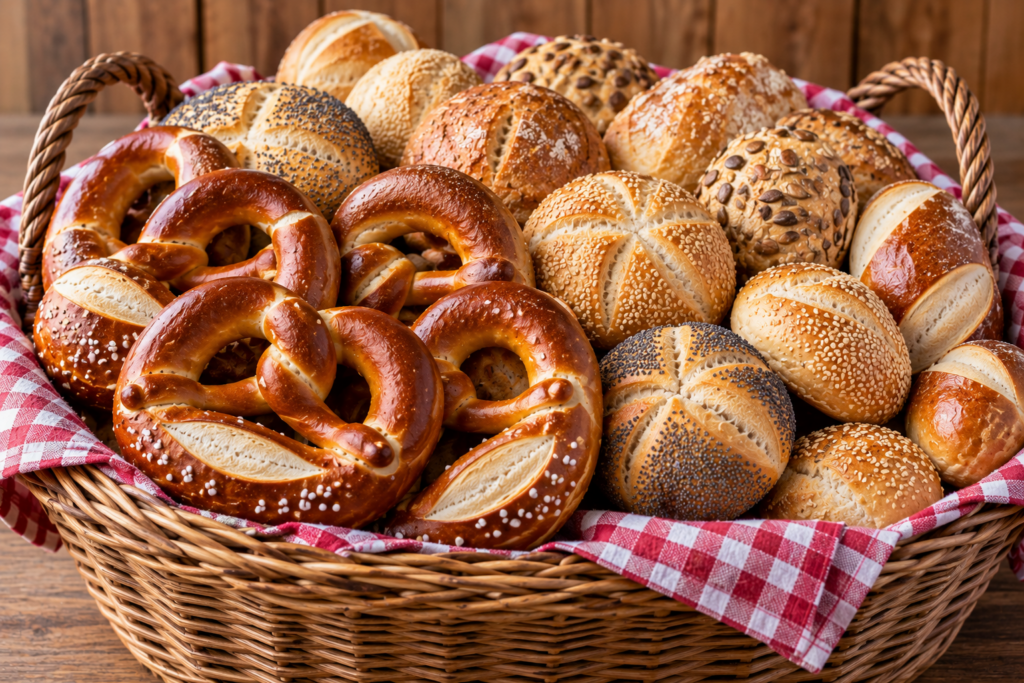
So when I say pretzels are part of my life, I mean it. I grew up eating them, I spent years making them, and I still bake them at home because, quite frankly, I can’t be without them.
And because I love them so much, I wanted to share my Swabian pretzel recipe here so you can make them too.

A Little Bit of History
The pretzel has long been a symbol of German baking, and its origins are often shrouded in legend. Some say monks first crafted pretzels as a reward for children who learned their prayers, while others believe the shape symbolizes arms crossed in prayer. The Swabian variety, in particular, hails from the Württemberg area, part of the Swabia region, and is distinguished by its fat, soft middle and thin, crunchy arms. Unlike the more uniform Bavarian pretzel, the Swabian version is characterized by this contrast in textures, making it especially enjoyable.
Swabians take great pride in their pretzels, and they’ve been a staple in bakeries since at least the 15th century. Traditionally eaten during Lent, pretzels eventually became a year-round treat.
The Anatomy of a Swabian Pretzel
What makes the Swabian pretzel different? It’s all about the twist — literally and figuratively. Unlike other pretzels that are more symmetrical, Swabian pretzels have a flatter middle, often with small slits on the surface where the dough has split slightly during baking. This results in a soft, fluffy belly with just a hint of chewiness, while the arms are thinner and crispy.
The golden-brown color comes from a dip in a lye solution (called “Laugen”), which is what gives pretzels their signature flavor and shiny appearance.
Ingredients You’ll Need
- All-purpose flour – The base of the pretzel dough and gives the pretzels their structure.
- Yeast – You can use dry yeast or fresh yeast.
- Salt – Adds flavor to the dough.
- Butter – Adds richness and helps create a tender interior.
- Sugar or malt syrup – Feeds the yeast and adds a touch of sweetness. Malt syrup gives the pretzels a more traditional flavor.
- Milk – Adds richness and softness to the dough.
- Cold water – Keep it very cold; ice water works especially well.
- Food-grade lye – Used for the traditional lye bath that gives German pretzels their characteristic dark brown, shiny crust and distinctive flavor.
- Pretzel salt – For sprinkling over the thick belly of the pretzel before baking.
How to Make a German Pretzel
1. Mix the dough.
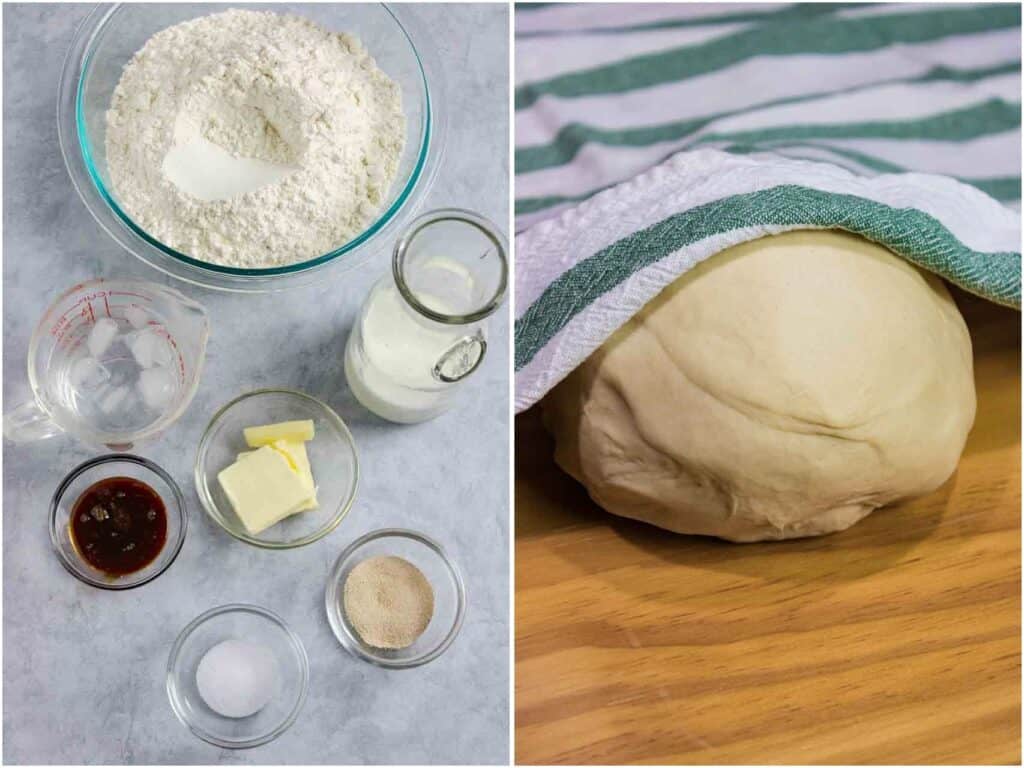
Place the flour, yeast, salt, butter, sugar or malt syrup, milk, and cold water in the bowl of a stand mixer. Knead with the dough hook for about 15 minutes. The finished dough should feel smooth and well developed.
2. Give the dough its first rest.
Transfer the dough to your work surface and cover it with a clean kitchen towel. Leave it undisturbed for about 20 minutes.
3. Divide and shape.
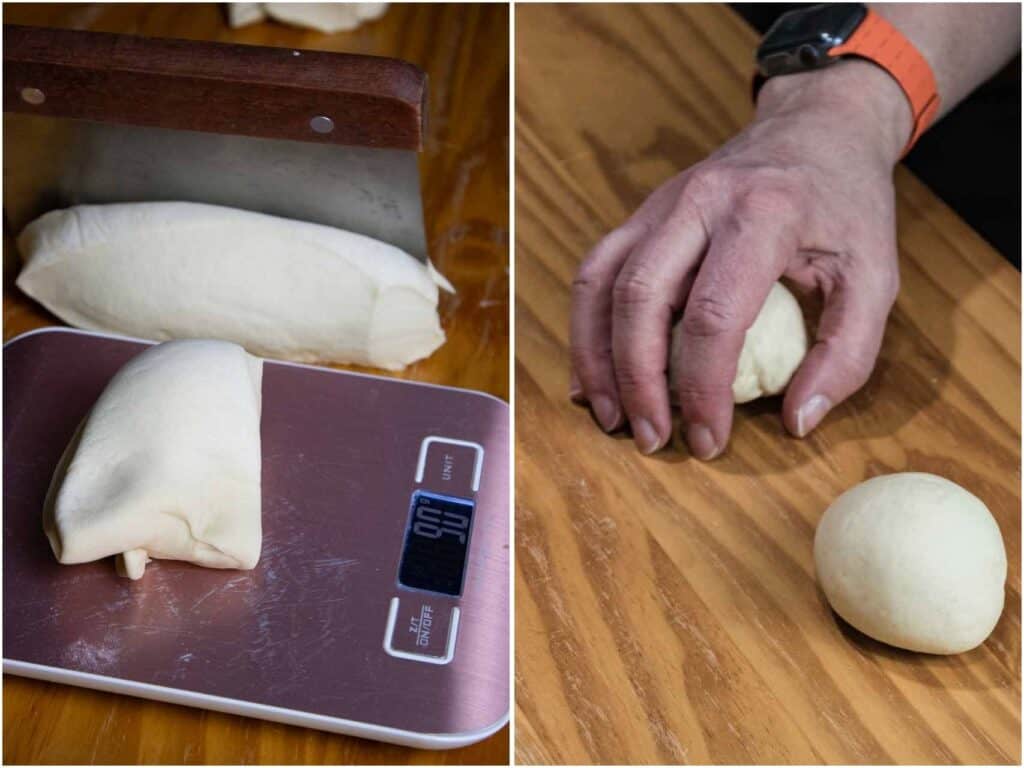
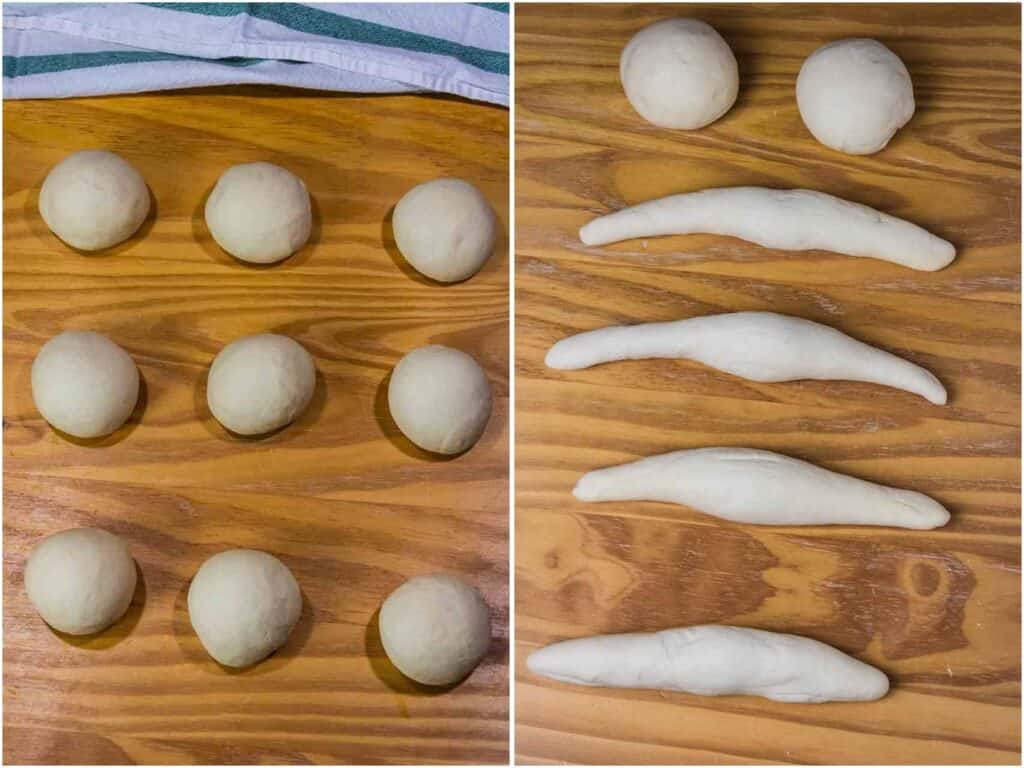
Cut the dough into 9 equal portions, about 90 grams each. Shape each piece into a smooth ball, cover again, and let them rest for another 20 minutes.
4. Start forming the pretzels.
Roll each ball into a rope approximately 12 inches long. Cover the ropes and give the dough another 15-minute rest. This makes them much easier to stretch without fighting the dough.
5. Create the Swabian shape.
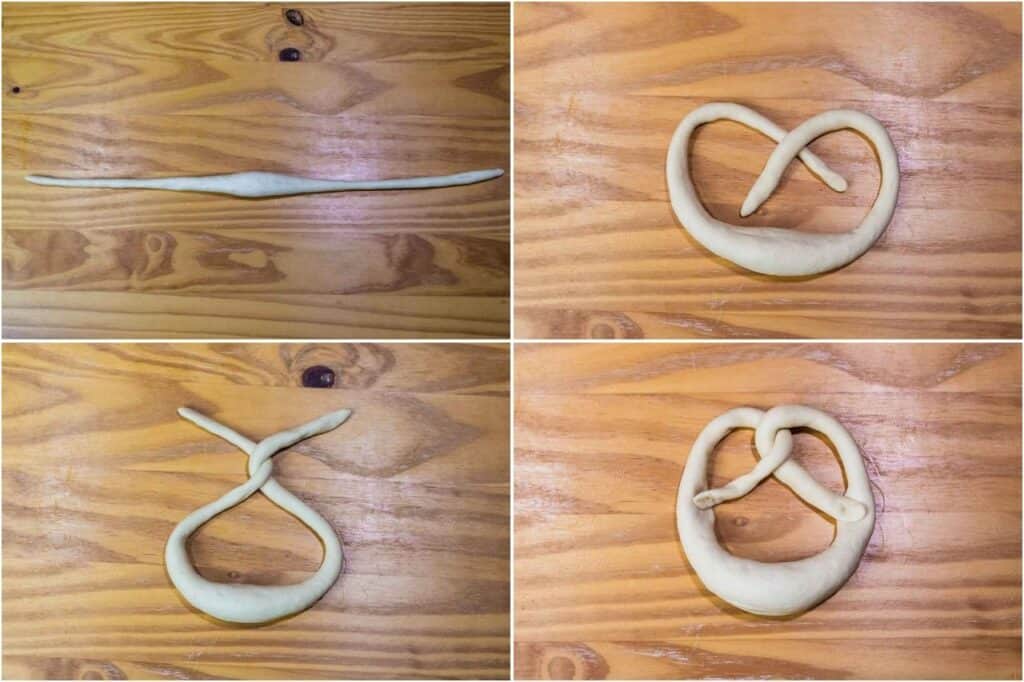
Leave about 3 to 4 inches in the center nice and thick—this becomes that characteristic soft Swabian belly. Gradually roll the dough on either side thinner and thinner until the entire rope is roughly 24 inches long.
6. Twist the pretzels.
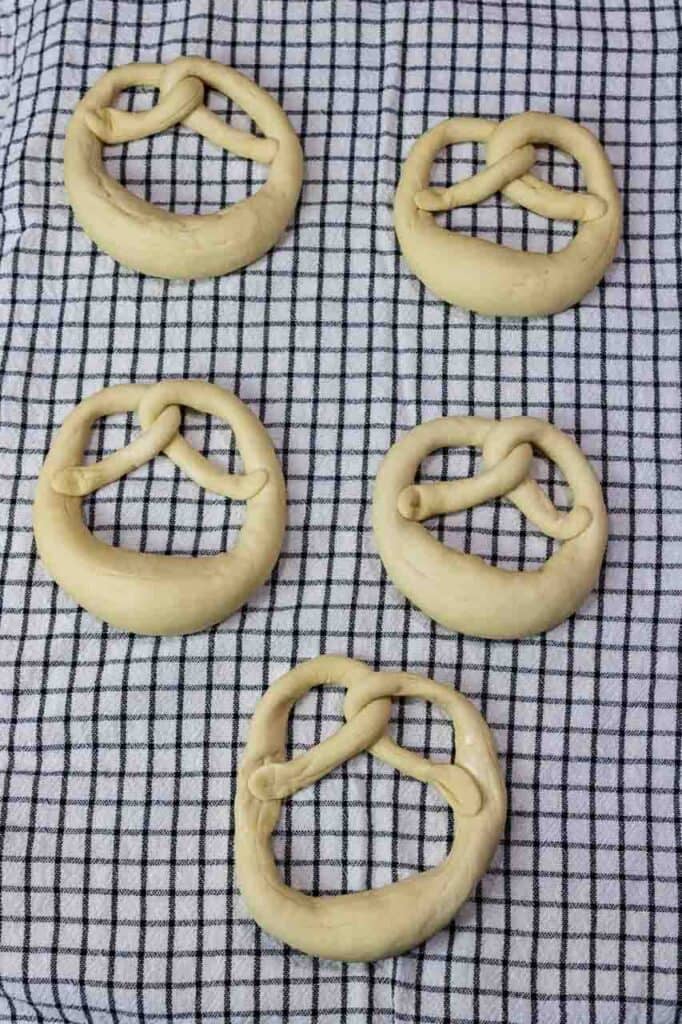
Bring the two thin ends upward, cross them over each other twice, then bring the ends back down and attach them to opposite sides of the thick center. Arrange the shaped pretzels on a towel-covered board, cover them, and let them rest for 15 minutes.
7. Chill uncovered.
Remove the top towel and place the pretzels in the refrigerator for at least 1 hour, uncovered. They can also stay refrigerated overnight. The surface should become firm enough that the pretzels are easier to handle when they go into the lye bath.
8. Prepare the lye bath.
Wearing protective gloves and eye protection, place 4 cups of cold water into a lye-safe glass or plastic container. Carefully add 2 tablespoons of food-grade lye to the water and stir until dissolved. Always add the lye to the water—never pour water onto the lye.
9. Dip and finish the pretzels.
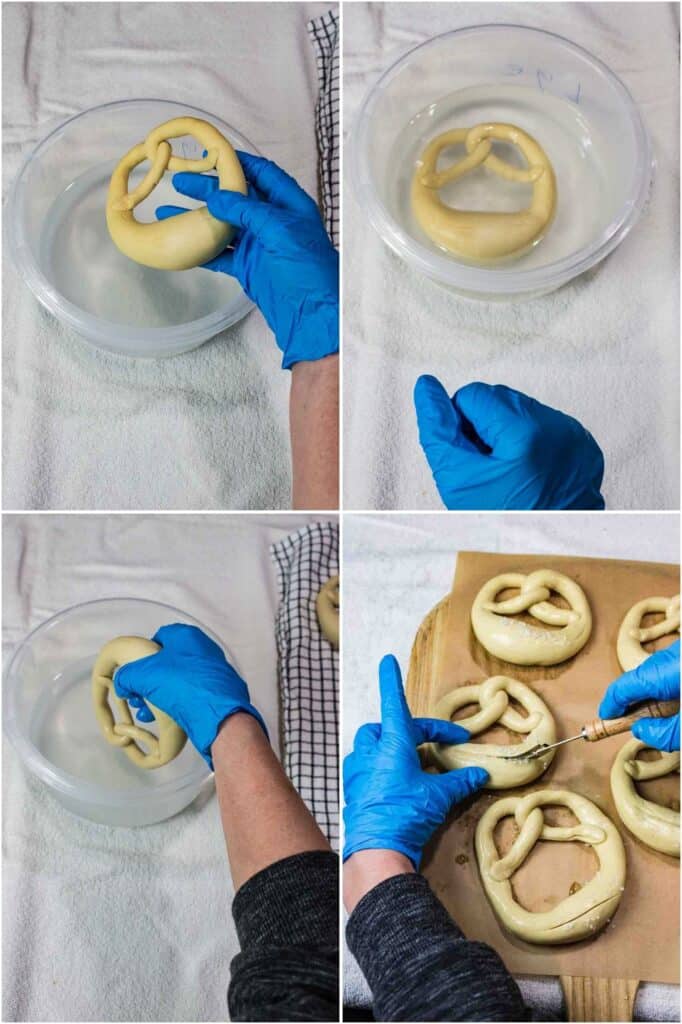
Preheat the oven to 450°F. Carefully lower one chilled pretzel at a time into the prepared lye solution, making sure the entire surface is submerged for about 10 seconds. Remove it carefully and place it on parchment paper.
10. Salt and score.
Sprinkle pretzel salt over the thick center of each pretzel. Using a bread lame or very sharp knife, make a deep cut across the belly. This is what creates that beautiful split as the pretzel bakes.
11. Bake.
Bake for about 10 minutes, until the pretzels have developed their characteristic deep golden-brown color. Transfer them to a cooling rack when they come out of the oven.

If you want to eat them the way I do, don’t wait until they’re completely cold. A slightly warm Swabian pretzel with butter is hard to beat.
Equipment You’ll Need
- Stand mixer with dough hook – For kneading the dough until smooth.
- Kitchen scale – For dividing the dough evenly into 9 pieces.
- Large cutting board or clean work surface – For rolling and shaping the pretzels.
- Kitchen towels – To cover the dough during the resting periods.
- Lye-safe glass or plastic container – For preparing the lye bath.
- Protective gloves – Essential when handling food-grade lye.
- Baking sheet or pizza stone – Either can be used for baking.
- Parchment paper – For the dipped pretzels before baking.
- Bread lame or sharp knife – For scoring the thick belly of each pretzel.
- Cooling rack – For cooling the baked pretzels.
How to Enjoy a Swabian Pretzel
Swabian pretzels are incredibly versatile. You can enjoy them warm, fresh from the oven, or at room temperature later in the day. Many locals slice them open and spread them with butter — a simple, yet perfect accompaniment. Also my favorite way of eating a pretzel. For a heartier snack, you can add slices of cold cuts or cheese, creating a delicious sandwich. In Bavaria, pretzels are also famously served with Weißwurst (traditional white sausage) and sweet mustard for a classic Bavarian breakfast.
A Swabian pretzel also pairs beautifully with a cold beer, making it a go-to option for beer gardens, festivals, or just a lazy afternoon snack.
❄️ Storage & Freezing
Fresh Swabian pretzels are always best on the day they’re baked, especially while they’re still slightly warm. If you have leftovers, here’s how to keep them tasting as fresh as possible:
Room Temperature: Keep leftover pretzels in a paper bag or loosely wrapped at room temperature if you plan to eat them the next day. Avoid sealing freshly baked pretzels in plastic while they’re still warm, as trapped moisture can soften the crust.
Freezing: For longer storage, freezing is your best option. Let the pretzels cool completely, then wrap them individually and place them in a freezer-safe bag or container.
Reheating: Let frozen pretzels thaw briefly, lightly mist the outside with water, and warm them in the oven until heated through. This helps bring back that crisp outside and soft center.
Frequently Asked Questions
Can I make German pretzels without lye?
You can make pretzels using a baking soda bath, but they won’t have quite the same deep color, shiny crust, or traditional pretzel flavor. For an authentic German pretzel, I prefer food-grade lye.
Why do the pretzels need to go in the refrigerator before the lye bath?
Chilling the shaped pretzels firms them up and dries the surface slightly. This makes them much easier to handle and helps them hold their shape when dipped into the lye solution.
Can I refrigerate the shaped pretzels overnight?
Yes. Once shaped, the pretzels can be refrigerated uncovered overnight and dipped and baked the following day.
Why is the middle of a Swabian pretzel thicker?
That thick center, or belly, is one of the characteristics of a Swabian pretzel. It stays softer and fluffier while the thin arms bake up crispier.
Can I freeze homemade pretzels?
Yes. Let them cool completely before freezing. Wrap them well and store them in a freezer-safe bag or container. Reheat them in the oven to help restore the crust.
More Recipes You’ll Love
A Little Taste of Swabia
The Swabian pretzel is more than just a snack — it’s a piece of cultural heritage with deep roots in the Swabian region of Germany. Whether you enjoy it with butter, sausages, or simply on its own, the balance of textures in a Swabian pretzel is something truly special. And while fresh is always best, proper storage ensures that you can enjoy this beloved treat even a day or two later.
So, next time you crave a taste of Germany, why not give the Swabian pretzel a try? It’s a delicious way to experience a bit of history, one crispy bite at a time.

Swabian Pretzels (Schwäbische Brezeln)
Ingredients
- 500 gram all purpose flour
- 10 gram dry yeast or 20g fresh yeast
- 10 gram salt
- 25 gram butter
- 15 gram malt syrup or granulated sugar
- 135 gram milk
- 130 gram cold water use ice water if possible
Lye Bath & Topping
- 4 cups cold water
- 2 tbsp food-grade lye
- Pretzel salt as needed
Instructions
- Add flour, yeast, salt butter, malt syrup, milk and water in mixing bowl and mix for 15 minutes in stand mixer. The dough needs to be very smooth.
- Once mixed, take the dough out and let rest for about 20 minutes on a wooden board or on the counter. Make sure to cover it with a kitchen towel.
- Divide dough in 9 pieces, each weighing about 90g.
- Roll them into smooth balls. Cover them with a kitchen towel again and let rest for 20 minutes on counter.
- Roll them into 12 inch (approx) long rope-like shape. Again cover with towel an let rest 15 minutes on counter.
- Leave about 3-4 inches in the middle of the rope untouched and roll out each side to a thin string. Total length about 24 inches.
- Twist the ends around each other twice, to form a circle at the top. Secure the ends, one on each side, on the top.
- Take a large cutting board and cover it with a kitchen towel. You might need two of them. Lay the shaped pretzels on it. Once all pretzels are shaped, cover with a kitchen towel an let them rest for 15 minutes.
- After 15 minutes, take the top kitchen towel off the pretzels and store them in the fridge for at least 1 hour. It is ok if you leave them in there longer, even overnight.
- Prepare lye bath. 4 cups of cold water. Add the water to a glass or plastic container. (Make sure it can store lye). Mix two tablespoons of food-grade lye until it is fully dissolved. Make sure you mix the lye into the water, not the other way around!
- After 1 hour take the pretzels out of the fridge. Wear gloves and eye protection, lye will cause harm to your skin.
- Pre-heat oven to 450°F and either use a pizza stone if you have one. If not use a sheet pan.
- Take each pretzel, they should be fairly stiff now and carefully put them into the lye bath. Make sure they are totally submerged for at least 10 seconds. Take them out and lay them on a parchment paper.
- Once all of the pretzel are done, use pretzel salt and sprinkle it over the big belly of the pretzel. Take a lame and score the big part at least 1 inch deep.
- Once the oven has reach it’s temperature bake the pretzels for 10 minutes.
- Let them cool on a cooling rack.
- In Germany we eat them still slightly warm with butter on it. Enjoy!

I tried scaling this up to 72 and the dough becomes very hard to work with unless im constantly setting the surface or my hands. Does the water ratio get lost as you scale up? I want to add more to the recipe to make it so I can roll freely but concerned I’ll get a different outcome.
So I am not sure if this is what you mean, but after I cut up the dough in pieces I let them rest another 20 min and then I have a bowl of water beside me. I dip my hands in it, just a bit so they are slightly wet and then roll the dough into a longer rope. Put it to the side and roll all the other pieces same length. Then get back to the first one and finish the pretzel, but always use the water to keep my hands moist. That way it rolls out easier. The dough gets dry somehow. I learned this trick in my bakery were I worked.